
Why a Full Body Checkup Once a Year Could Save Your Life
25 March, 2026
Most of us visit a doctor only when something hurts. We wait for a symptom — a persistent cough, an unusual pain, a worrying lump — before we think about our health. But the most dangerous diseases rarely announce themselves early. They grow quietly, and by the time you feel them, they've already had a significant head start.
This is exactly why a full body checkup — once every year — is one of the smartest investments you can make in yourself. Not because something is wrong, but to make sure nothing is going wrong without your knowledge.
What Is a Full Body Checkup?
A full body checkup (also called a comprehensive health package) is a structured set of diagnostic tests that gives you a complete picture of your health. It evaluates your blood, organs, heart, thyroid, kidneys, liver, and more — all in one visit. A typical full body checkup includes:- Complete Blood Count (CBC): Checks for anaemia, infections, and blood disorders
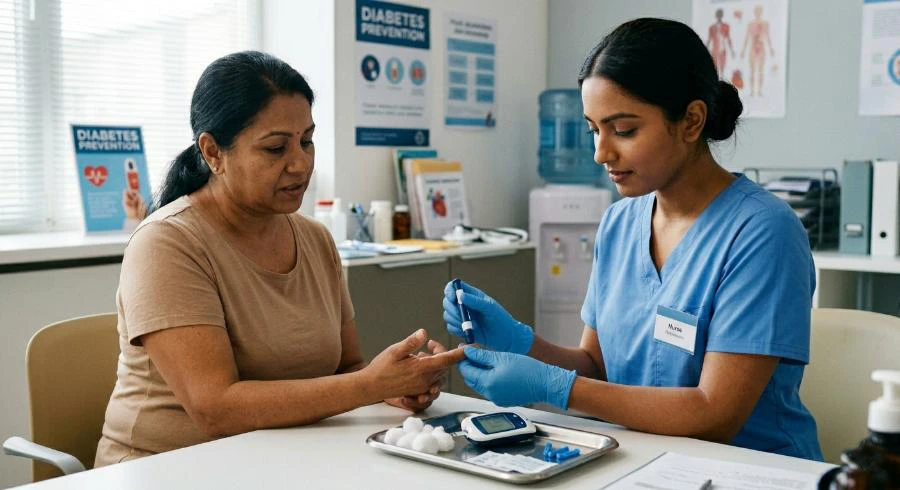
- Blood Sugar (Fasting & PP): Screens for diabetes and pre-diabetes
- Lipid Profile: Measures cholesterol and triglycerides to assess heart risk
- Liver Function Tests (LFT): Evaluates liver health and detects early damage
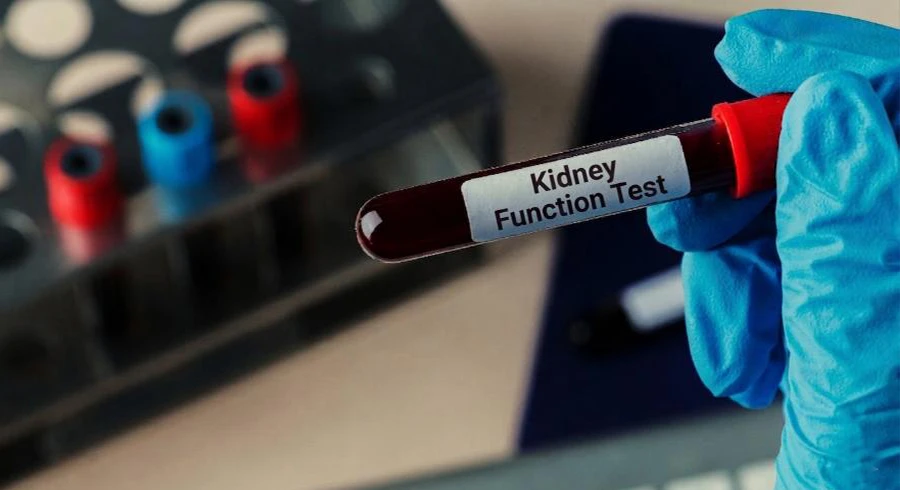
- Kidney Function Tests (KFT): Checks creatinine, urea, and uric acid levels
- Thyroid Function Tests (TFT): Screens for hypo/hyperthyroidism
- Urine Routine Analysis: Identifies infections, kidney issues, or diabetes markers
- ECG: Records heart rhythm and screens for cardiac irregularities
- Vitamin D & B12: Deficiencies are extremely common in India and often go undetected
Why Once a Year? Why Not Less Often?
Many people think, "I feel fine, so I don't need a test." But this thinking has a critical flaw: many serious conditions — diabetes, hypertension, fatty liver, kidney disease, thyroid disorders, and even early-stage cancers — progress silently for years before causing any noticeable symptoms. By the time you feel something, the disease has often already caused significant damage. Annual testing gives doctors a chance to spot early red flags, compare results year-on-year, and act before the problem becomes irreversible. It also helps establish your personal baseline. What's normal for one person may not be for another. A single test tells you where you stand today; annual tests tell you the direction you're heading.Common Conditions Caught Early by Annual Checkups
- Type 2 Diabetes & Pre-Diabetes: Often detected only through blood sugar tests, years before symptoms appear.
- High Blood Pressure (Hypertension): Known as the 'silent killer' — most people have no idea their BP is dangerously high.
- Thyroid Disorders: Especially common in women; symptoms like fatigue and weight gain are often dismissed as stress.
- Anaemia: Widespread in India, particularly among women; detected through a simple CBC test.
- Fatty Liver Disease: Liver enzymes in an LFT can flag early damage, long before it becomes cirrhosis.
- Vitamin D & B12 Deficiency: Extremely prevalent in India, causing bone loss, fatigue, and nerve issues when unaddressed.
- Early Kidney Damage: Creatinine and eGFR values can show kidney stress before you feel any symptoms.
Who Needs a Full Body Checkup — And How Often?
- Under 30: Once every 1–2 years is usually sufficient if no risk factors are present.
- 30–45 years: Once a year, especially if you have a family history of diabetes, heart disease, or hypertension.
- Above 45: Annually, without exception. This is when lifestyle diseases tend to surface rapidly.
- With existing conditions: Every 6 months, or as directed by your doctor.
The Cost Argument: Prevention Is Always Cheaper
Many people delay a health checkup because of cost. But consider this: treating Type 2 diabetes, heart disease, or kidney failure costs lakhs of rupees over a lifetime — in medication, hospital visits, procedures, and lost productivity. A preventive health package, by comparison, costs a fraction of that. More importantly, catching something early almost always means a simpler, less invasive, and far less expensive treatment. A diet change can reverse pre-diabetes. A simple medication can manage early hypertension. But advanced kidney failure may require dialysis. The difference is timing.Making It Easier: Home Collection & Online Reports
One of the biggest barriers to annual checkups is inconvenience — the idea of going to a lab, waiting in queues, and then following up on reports. Theism Diagnostics removes all of these hurdles.- A trained phlebotomist comes to your home for sample collection
- Reports are available online — no need to pick them up in person
- You can consult a doctor online to understand your results
- Services available even on Sundays