

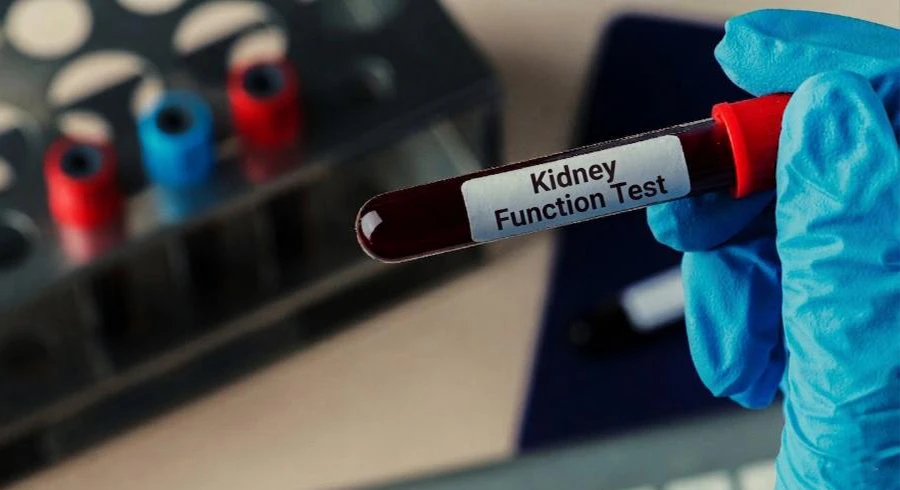
Everything you need to know about your Kidney Test (KFT)
25 March, 2026
Your kidneys work tirelessly, every single day, without asking for anything in return. These two fist-sized organs — sitting quietly on either side of your spine — filter over 200 litres of blood every 24 hours, remove waste, balance fluids, regulate blood pressure, and even help produce red blood cells. Yet most people think about their kidneys only after something goes wrong.
Chronic Kidney Disease (CKD) affects hundreds of millions of people globally, and in India, the numbers are growing rapidly — driven largely by diabetes and hypertension, which are both at epidemic levels. The most alarming part: kidney disease often has no symptoms in its early stages. By the time most people are diagnosed, they've already lost a significant portion of kidney function.
A Kidney Function Test (KFT) — also called a Renal Function Test or RFT — is the key tool to assess how well your kidneys are doing. Here's everything you need to understand about it.
What Is a KFT (Kidney Function Test)?
A KFT is a panel of blood and urine tests that together paint a comprehensive picture of your kidney health. Unlike a single test, the KFT panel looks at multiple markers simultaneously — because kidneys perform multiple functions, and no single number tells the complete story.Breaking Down the KFT Report: What Each Value Means
1. Serum Creatinine
Creatinine is a waste product produced when your muscles break down a substance called creatine. Healthy kidneys filter creatinine out of the blood efficiently. When kidneys are damaged or stressed, creatinine starts accumulating in the blood.- Normal range: 0.7–1.2 mg/dL for men; 0.5–1.0 mg/dL for women
- High creatinine may indicate impaired kidney function, dehydration, or muscle breakdown
- Very low creatinine can indicate poor muscle mass or liver disease
2. Blood Urea Nitrogen (BUN)
Urea is another waste product, formed when the body breaks down proteins. It is produced in the liver and excreted by the kidneys. When kidney function declines, urea builds up in the blood.- Normal range: 7–20 mg/dL
- High BUN can suggest kidney disease, dehydration, high protein intake, or GI bleeding
- Low BUN may indicate liver disease or malnutrition
3. eGFR (Estimated Glomerular Filtration Rate)
eGFR is one of the most important numbers in a kidney panel. It estimates how much blood your kidneys filter per minute and is used to stage kidney disease. It is calculated from your creatinine level, age, and gender.- Above 90: Normal kidney function
- 60–89: Mildly reduced (Stage 2 CKD)
- 45–59: Mildly to moderately reduced (Stage 3a CKD)
- 30–44: Moderately to severely reduced (Stage 3b CKD)
- 15–29: Severely reduced (Stage 4 CKD)
- Below 15: Kidney failure — dialysis or transplant may be needed (Stage 5)
4. Serum Uric Acid
Uric acid is formed when the body breaks down purines (found in red meat, shellfish, alcohol, and sugary drinks). High levels can cause gout — painful joint inflammation — and also contribute to kidney stones and kidney damage over time.- Normal range: 3.5–7.2 mg/dL for men; 2.6–6.0 mg/dL for women
- Consistently high levels increase the risk of gout and kidney stones
5. Electrolytes: Sodium, Potassium & Bicarbonate
The kidneys are responsible for keeping electrolytes in balance. When they are not functioning properly, sodium and potassium levels can become dangerously abnormal — affecting heart rhythm, muscle function, and overall fluid balance.- High potassium (hyperkalemia) can trigger life-threatening heart arrhythmias
- Low sodium (hyponatremia) can cause confusion, seizures, and swelling
6. Urine Routine & Microscopy
Your urine can reveal a lot about kidney health. A urine routine test checks for protein, blood, glucose, and signs of infection — all of which can indicate kidney stress or damage.- Proteinuria (protein in urine): One of the earliest signs of kidney damage, even when creatinine is still normal
- Haematuria (blood in urine): May indicate kidney stones, infections, or more serious conditions
Who Should Get a KFT Done?
- Diabetic patients — diabetes is the leading cause of kidney failure in India
- People with high blood pressure
- Anyone with a family history of kidney disease
- People who regularly take painkillers (NSAIDs) or other medications long-term
- Those who have had kidney stones in the past
- Anyone over 40 — as part of a routine annual checkup
- People who experience frequent swelling, fatigue, or changes in urination patterns
How to Protect Your Kidney Health
- Stay well hydrated: Drinking adequate water (2–3 litres a day) helps kidneys flush waste efficiently.
- Control blood sugar and blood pressure: These are the two biggest drivers of kidney damage — keep them in check through diet, exercise, and medication if needed.
- Limit salt and protein: Excess sodium raises blood pressure, and too much protein increases the workload on your kidneys.
- Avoid overusing painkillers: NSAIDs like ibuprofen and diclofenac, when taken regularly, can cause significant kidney damage over time.
- Quit smoking: Smoking reduces blood flow to the kidneys and accelerates kidney disease.
- Maintain a healthy weight: Obesity increases the risk of both diabetes and hypertension — the two leading causes of kidney failure.
- Get tested regularly: The only reliable way to monitor kidney health is through periodic testing. Don't skip your annual checkup.