
Pre-Diabetes: The Silent Warning Sign Most People Miss
25 March, 2026
Imagine a condition that quietly raises your blood sugar for years, damages your organs slowly, and yet gives you almost no obvious symptoms — until it's too late. That condition is pre-diabetes. And millions of people are living with it right now without knowing.
Pre-diabetes is not a minor blip. It is the body's way of signalling that something has gone seriously off track — and if ignored, it almost always progresses to Type 2 diabetes, along with serious complications like heart disease, kidney damage, and nerve problems. The good news? Caught early, it is completely reversible.
What Exactly is Pre-Diabetes?
Pre-diabetes means your blood sugar levels are higher than normal, but not yet high enough to be classified as Type 2 diabetes. Think of it as a yellow traffic signal — your body is warning you to slow down and make changes before the light turns red. Here's what the numbers look like:- Fasting Blood Sugar: 100–125 mg/dL (Normal is below 100; Diabetes is 126 or above)
- HbA1c: 5.7%–6.4% (Normal is below 5.7%; Diabetes is 6.5% or above)
- OGTT (2-hour glucose): 140–199 mg/dL (Normal is below 140; Diabetes is 200 or above)
Why it's Called 'Silent'
Most people with pre-diabetes have no symptoms at all. There is no pain, no dramatic sign, no alarm. This is precisely what makes it so dangerous. By the time symptoms like increased thirst, frequent urination, or blurred vision appear, many people have already crossed into full-blown Type 2 diabetes. A large portion of people with pre-diabetes are undiagnosed. It doesn't discriminate — it affects people of all body types, ages, and backgrounds, though certain groups are at higher risk.Who is at Risk?
You may be at higher risk of pre-diabetes if you:- Are above the age of 35
- Have a family history of diabetes
- Are overweight or carry excess weight around your abdomen
- Lead a sedentary lifestyle with little physical activity
- Eat a diet high in refined carbohydrates, sugar, and processed foods
- Have been diagnosed with PCOS (Polycystic Ovary Syndrome)
- Have high blood pressure or abnormal cholesterol levels
- Had gestational diabetes during pregnancy
What Tests Help Detect Pre-Diabetes?
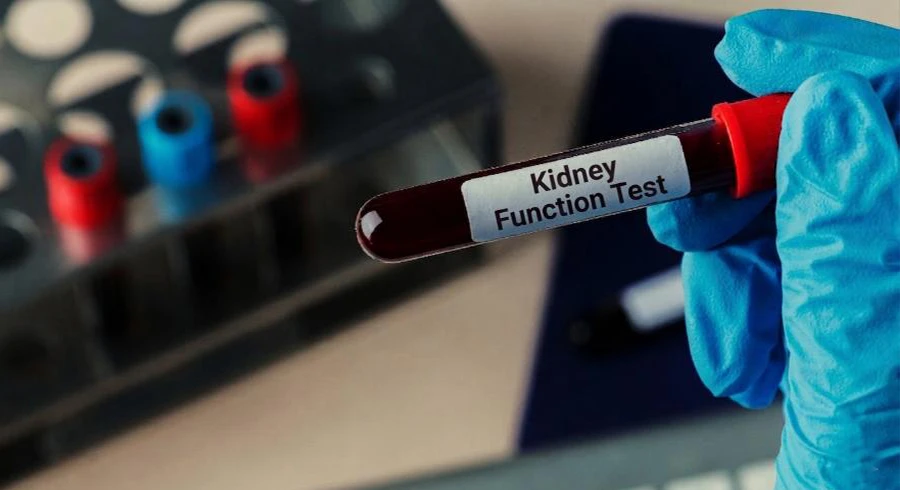
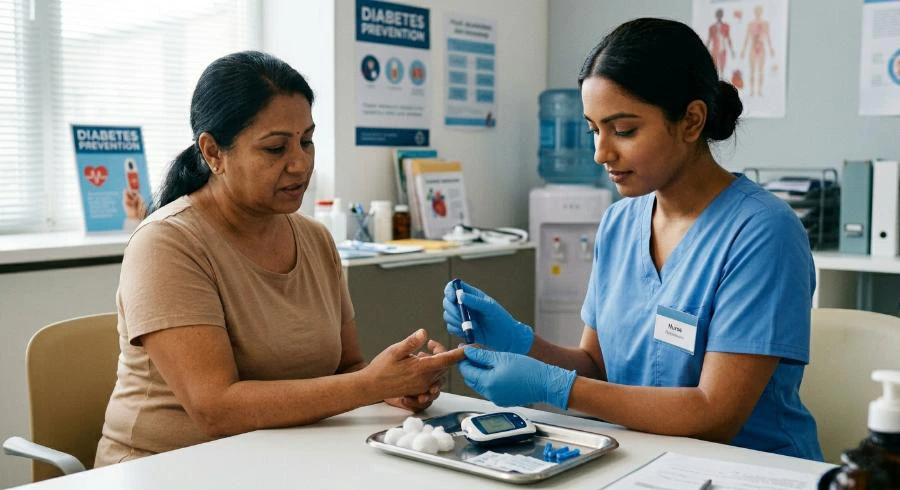
Detecting pre-diabetes requires a simple blood test — and that's all. There are three main tests used:- Fasting Plasma Glucose (FPG): Measures blood sugar after an 8-hour fast. Simple, affordable, and widely available.
- HbA1c Test: Gives a 3-month average of your blood sugar levels. No fasting required.
- Oral Glucose Tolerance Test (OGTT): Measures your body's response to sugar over 2 hours. More comprehensive.
Can Pre-Diabetes Be Reversed?
Absolutely — and this is the most hopeful part. Unlike Type 2 diabetes, pre-diabetes can often be fully reversed through lifestyle changes alone. No medication is necessarily required if action is taken early.- Diet: Reduce refined carbs, sugar, and ultra-processed foods. Include more fibre, whole grains, lean proteins, and healthy fats.
- Exercise: Even 30 minutes of moderate activity (brisk walking, cycling, swimming) 5 days a week significantly improves insulin sensitivity.
- Weight Management: Losing even 5–7% of body weight can dramatically reduce the risk of progressing to diabetes.
- Sleep & Stress: Poor sleep and chronic stress raise cortisol, which spikes blood sugar. Prioritise 7–8 hours of quality sleep.
- Regular Monitoring: Keep getting your blood sugar tested every 6 months to track progress.